Using AI to Study: How to not Cross into Student Misconduct


Generative AI tools like ChatGPT are becoming increasingly popular among students. Whether you’re trying to better understand a topic, plan your study schedule, or explore ideas, AI can be a helpful tool. But when does using AI cross the line into academic misconduct?
Let’s break down how to use GenAI ethically while studying—and what to avoid.
At university, you’re expected to reference any material or ideas that aren’t your own. Plagiarism is when you present someone else’s work—or content generated by a tool like GenAI—as if it’s your own original thinking, without credit.
Even though GenAI isn’t a person, using its output without proper acknowledgement still counts as plagiarism. Universities, including Charles Sturt University and IT Masters, take this seriously and have policies in place that can result in penalties ranging from failed assessments to exclusion.
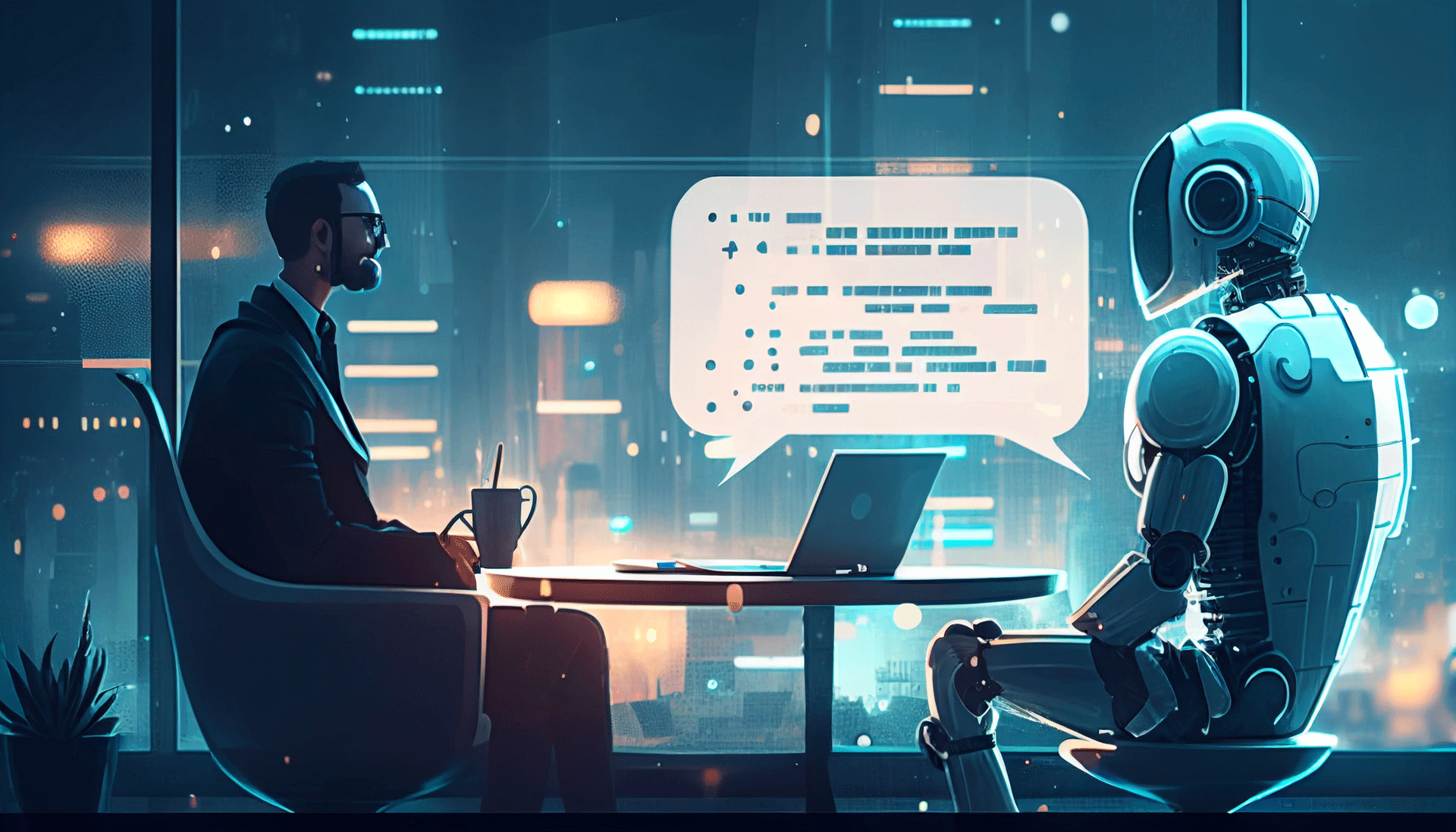
Yes—but only in certain ways. Each subject at IT Masters will outline whether GenAI is permitted in its assessments. Some assessments are even designed to let students practise using GenAI responsibly, especially as many workplaces now use similar tools.
However, other assessments explicitly prohibit the use of GenAI. Ignoring these guidelines can lead to serious academic consequences.
While it might seem unfair, especially since using AI to study or for work is used widely, there are good reasons for these boundaries.
While GenAI shouldn’t be used to write assessments (unless allowed), there are smart and ethical ways to use it to support your learning.
GenAI can be a powerful aid to your studies—as long as you use it ethically and within the guidelines of your course. Always check your subject outlines and ask your lecturer or coordinator if you’re unsure what’s allowed.
Used the right way, AI can enhance your learning—not replace it.
This week the Australian Computer Society (ACS) and Deloitte released their 12th annual Digital Pulse report . For the first…
Read More
Top AI Platforms and Tools IT Professionals Should Learn in 2026 Artificial intelligence is rapidly changing the technology industry. From…
Read More
We know that you have been asking and waiting for a while now, so starting in late August, IT Masters…
Read More