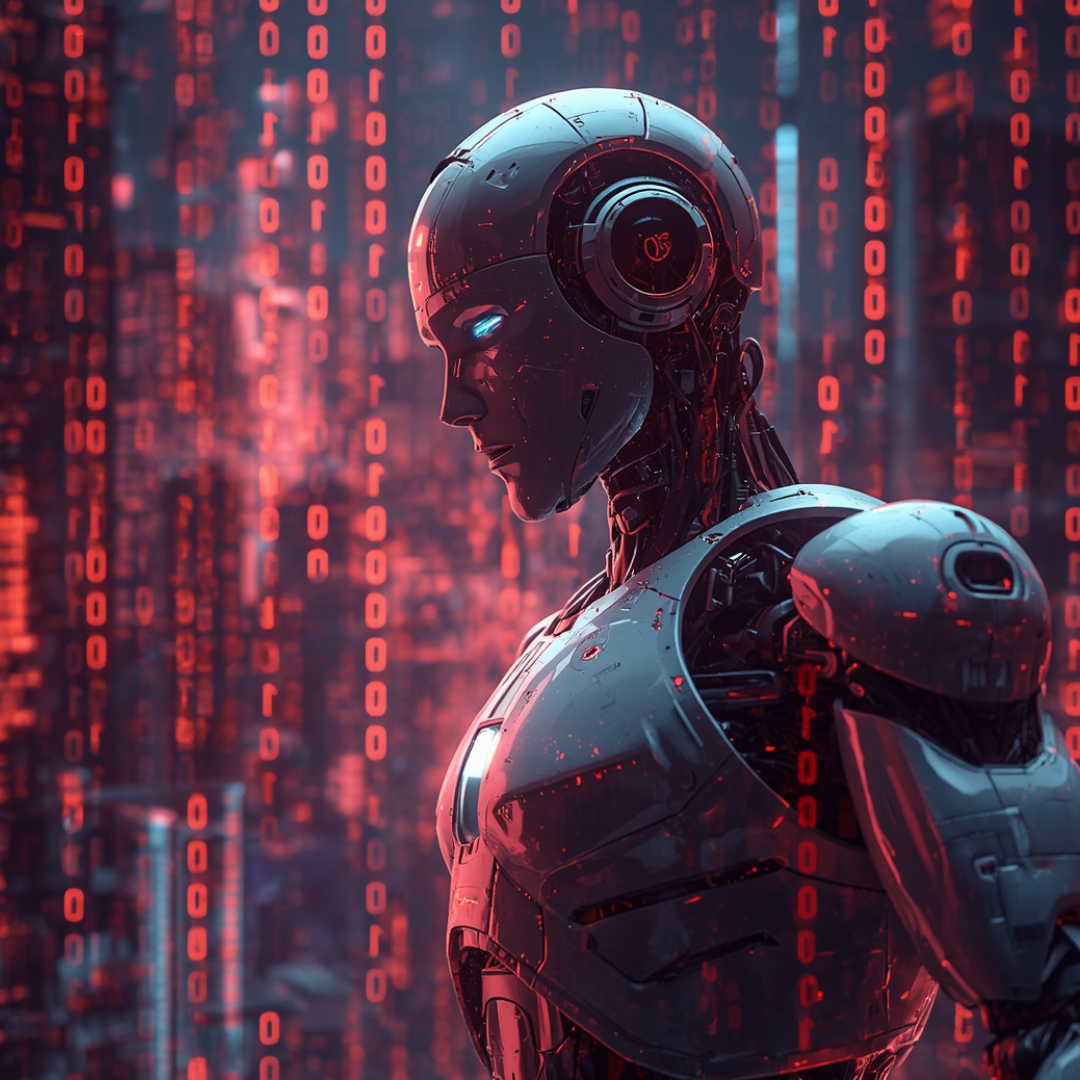
Video games have always pushed the limits of technology, but 2025 marks a generational shift: dynamic NPC AI. Non-playable characters are breaking free from rigid scripts to learn, adapt, and react in real time—turning static encounters into living, responsive worlds where every decision feels personal. Learn how gaming meets AI in this revolutionary change.

What’s Changing

  • Learning from player actions: NPCs observe your style and adjust. Prefer stealth? Expect tighter patrols, gambushes, and smarter counter-play.
  • Smarter allies and rivals: Companions sync with your tactics; enemies develop counters on the fly, keeping you off autopilot.
  • Persistent memory: Characters remember past encounters—loyalty, grudges, trade history—unlocking bespoke story branches and consequences.
  • Natural dialogue: NPCs move beyond canned lines to context-aware conversations powered by modern language models.

Why It Matters

  • Immersive storytelling: Choices echo through relationships, factions, and quests for narratives that feel uniquely yours.
  • Infinite replay value: Adaptive AI reshapes encounters every run, rewarding experimentation and multiple playthroughs.
  • Deeper challenge: Foes evolve, nudging you to rethink loadouts, routes, and tactics rather than repeating one “best” build.
  • Living worlds: Cities and ecosystems react to you with believable cause-and-effect, making worlds feel truly inhabited.

The Technology Behind It

  • Reinforcement Learning (RL): Agents improve via rewards and penalties, discovering strategies without hand-coded rules.
  • Natural Language Processing (NLP): Modern models enable fluid, context-aware dialogue and more believable social AI.
  • Neural Processing Units (NPUs): Dedicated on-device accelerators run complex models with low latency, freeing CPU/GPU for visuals.
  • Hybrid cloud + local AI: Immediate reactions run locally; large-scale world logic and simulation can leverage the cloud.

Careers & Study Pathways

As AI reshapes development, new roles are thriving: AI game designers, AI programmers/engineers, procedural content generation specialists, AI-driven QA, and postgraduate researchers. Building skills across machine learning, cloud platforms, and modern game engines is key.

  • AI Game Designer
  • AI Programmer/Engineer
  • Procedural Content Generation Specialist
  • AI-Driven QA
  • Postgraduate Research

For learners in Australia and beyond, programs delivered by IT Masters with Charles Sturt University (CSU) offer pathways to upskill in AI, data, cloud, and software capabilities that map directly to emerging roles in adaptive game development.

Final Thoughts

The future of play is adaptive. With dynamic NPC AI, games become richer, tougher, and more personal—worlds that learn you as much as you learn them. As the tech matures through 2025, expect sessions where the world truly plays back.
Latest News

Why Employers Value IT Certifications Alongside Degrees
12 Jun, 2026

Why Employers Value IT Certifications Alongside Degrees

Why Employers Value IT Certifications Alongside Degrees  If you are planning your next career step, you may be comparing postgraduate…

Read More
How to Transition Into IT Without a Technical Background
11 Jun, 2026

How to Transition Into IT Without a Technical Background

How to Transition Into IT Without a Technical Background   A career change into IT is increasingly common in Australia, particularly as organisations continue to…

Read More
Why FinOps is Becoming a Major Tech Career
10 Jun, 2026

Why FinOps is Becoming a Major Tech Career

Why FinOps Is Becoming a Major Tech Career  Cloud computing has transformed how organisations build, deploy and scale technology. But…

Read More