Free University Short Course: Artificial Intelligence


By Manveer Perhar, Vice President, ECA Online
If your firewall had a personality, it’d ask you to stop shipping shadow AI to prod. This FREE University Short Course turns Artificial Intelligence from “clever but chaotic” into “secure, compliant, and actually helpful” for security teams. Presented by IT Masters with Charles Sturt University (CSU) and led by Dr Georg Thomas, the program shows you how to build guardrails engineers respect and auditors adore—while keeping adversaries bored. Learn how to pivot with Artificial Intelligence.
CrowdStrike’s 2025 Global Threat Report logged the fastest eCrime breakout at 51 seconds, with an average of 48 minutes (down from 62), and 79% malware-free detections. These numbers demand AI-aware controls that move at incident speed.
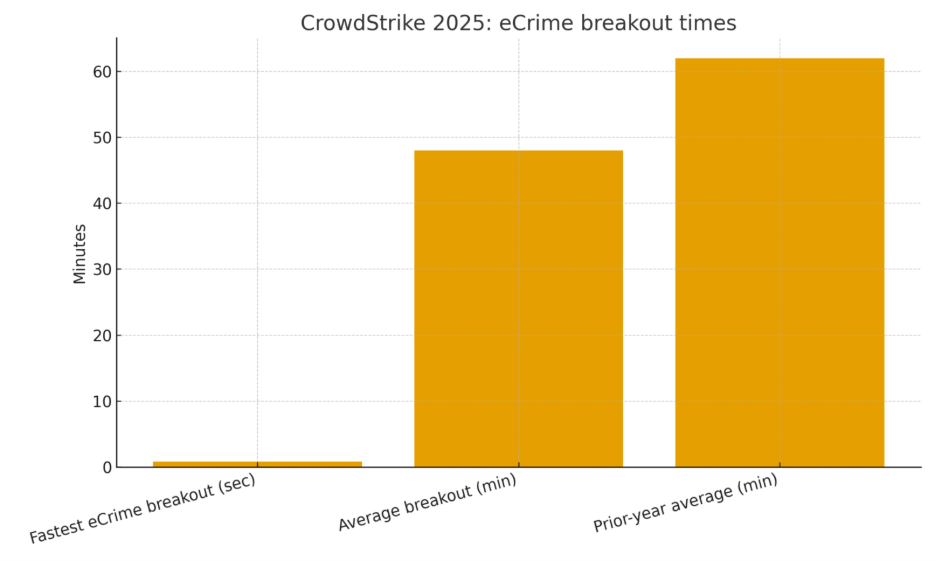
Figure 1: eCrime breakout times (fastest vs average; prior-year). Source: CrowdStrike 2025 Executive Summary.
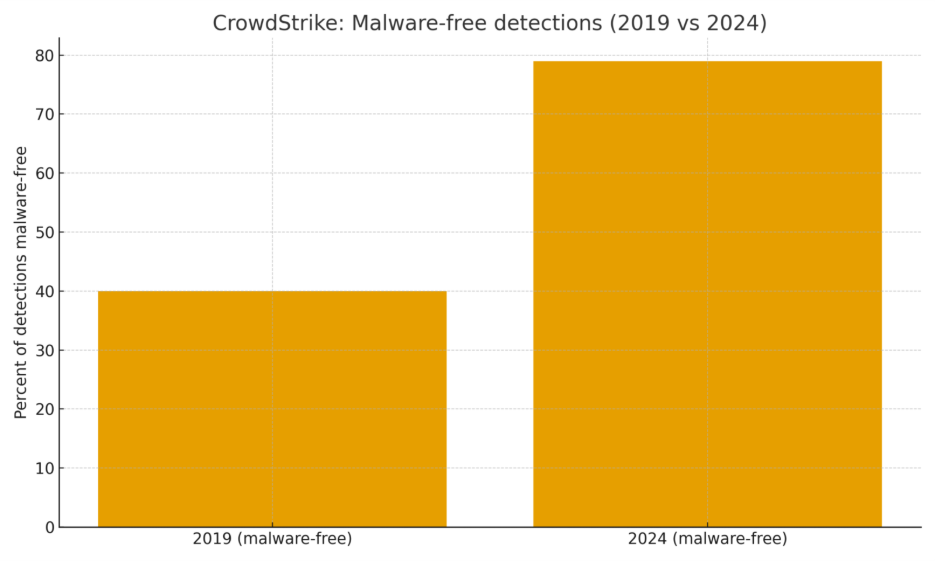
Figure 2: Malware-free detections surged to 79% in 2024. Source: CrowdStrike 2025 Executive Summary.
Atlassian’s State of Developer Experience 2025 shows 68% of developers save 10+ hours/week with GenAI, 70% of managers see similar gains—yet 50% still lose 10+ hours to organisational drag. This course replaces drag with disciplined delivery.
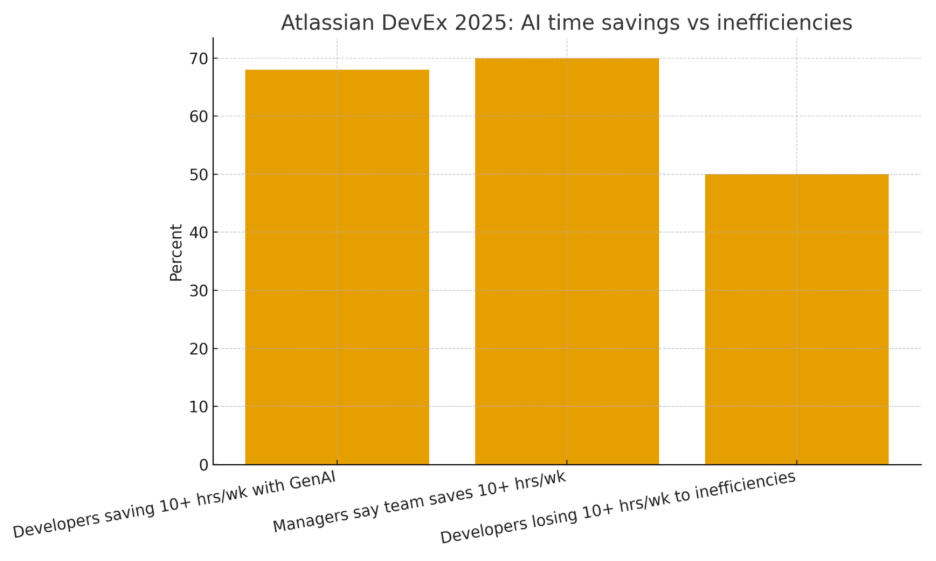
Figure 3: GenAI time savings vs. persistent inefficiencies. Source: Atlassian, State of Developer Experience 2025.
NAIC (CSIRO/DISR) maps a 2025 sample of 1,533 Artificial Intelligence companies (1,121 private; 412 public). Public-company clusters are strongest in energy/raw materials/utilities (82) and healthcare (77). Build skills where hiring is hot—and standards matter.
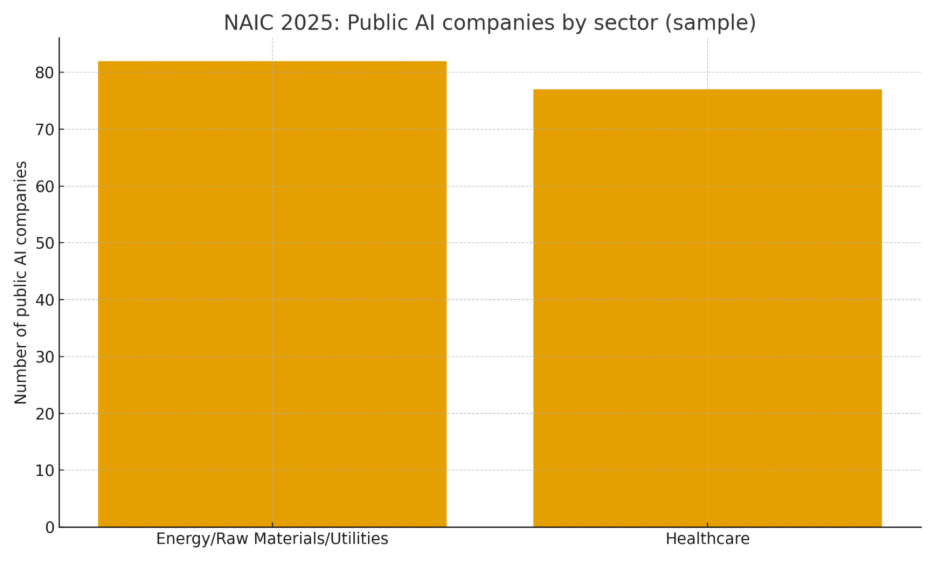
Figure 4: Public AI company clusters in AU (sample). Source: NAIC/CSIRO, June 2025.
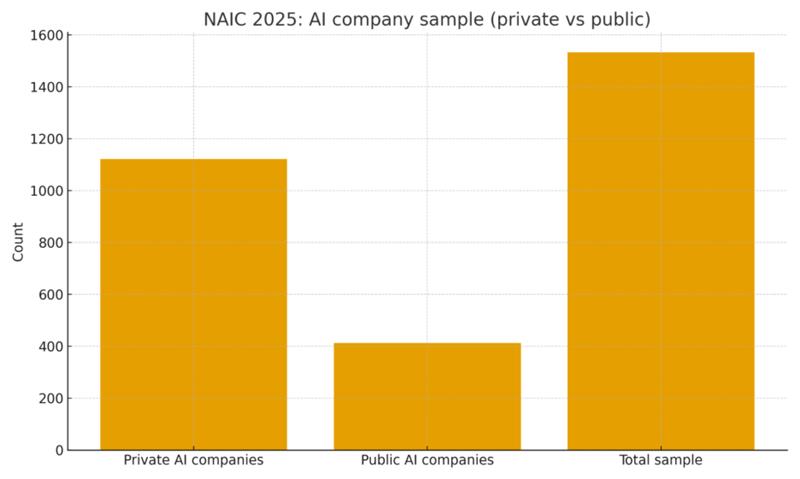
Figure 5: AU AI company mix (private vs public) in the 2025 sample. Source: NAIC/CSIRO.
Outcome: Replace shadow AI with governed AI—faster releases, tighter controls, cleaner audits. Backed by IT Masters and CSU, this short course blends academic rigor with battle-tested security practice.
Ready to make AI safe and useful? Join the free course and bring responsible AI to production without slowing your teams.
Meta Description: Free IT Masters & CSU short course led by Dr Georg Thomas turns AI from risky to reliable—covering Responsible AI, GRC, ISO/IEC 42001 AIMS, and hands-on implementation for cybersecurity teams.
URL Slug: secure-ai-governance-short-course
Focus KeyPhrase: Secure AI Governance Short Course
Primary Image Alt Text: It’s never too late to pivot your career into IT success
This week the Australian Computer Society (ACS) and Deloitte released their 12th annual Digital Pulse report . For the first…
Read More
Top AI Platforms and Tools IT Professionals Should Learn in 2026 Artificial intelligence is rapidly changing the technology industry. From…
Read More
We know that you have been asking and waiting for a while now, so starting in late August, IT Masters…
Read More