How AI Is Changing Software Engineering Roles


Artificial intelligence (AI) is changing how software is designed, built, tested and maintained. While writing code remains central to software engineering, AI-assisted development tools are helping developers automate repetitive tasks so they can spend more time on architecture, problem-solving and delivering business value.
This shift is already underway across the technology industry. According to the 2024 Stack Overflow Developer Survey, more than three-quarters of professional developers either use or plan to use AI tools in their workflow, demonstrating how quickly AI-assisted development is becoming part of modern software engineering.
From Writing Code to Designing Systems
Software engineering has always involved more than writing code. Engineers are responsible for designing systems, solving complex problems, maintaining applications and ensuring software is reliable, secure and scalable.
Today’s AI coding assistants—including GitHub Copilot, Microsoft Copilot, Google Gemini Code Assist and Amazon Q Developer—can generate code, explain unfamiliar functions, draft documentation and assist with testing. These tools can improve productivity, but they still require developers to review outputs for accuracy, maintainability and security.
As a result, software engineers are increasingly focusing on:
Rather than replacing engineering expertise, AI is helping developers work more efficiently while keeping humans responsible for critical decision-making.
Several factors are driving the rapid adoption of AI in software engineering.
Large language models (LLMs) have introduced natural language as another way to interact with code. Developers can describe what they want in plain English and receive suggested implementations, explanations or documentation.
At the same time, organisations are under pressure to deliver software more quickly. AI tools can assist with writing boilerplate code, generating unit tests, creating documentation and summarising code changes, allowing development teams to focus on higher-value engineering work.
Modern software environments are also becoming more complex. Applications increasingly span cloud infrastructure, APIs, containers, distributed systems and AI services. AI-assisted tools can help engineers navigate documentation, analyse logs and identify potential issues more efficiently.
Despite rapid advances, AI does not replace engineering expertise.
AI-generated code can contain logical errors, security vulnerabilities or outdated programming practices. The OWASP Top 10 for Large Language Model Applications highlights risks such as prompt injection, insecure output handling and excessive reliance on AI-generated responses, reinforcing the importance of human oversight throughout the development process.
Successful software engineering therefore depends on combining AI-assisted productivity with strong programming fundamentals, secure coding practices and critical thinking.
As AI becomes more common in development workflows, employer expectations are evolving.
Increasingly valuable skills include:
Programming fundamentals remain essential. Engineers who understand software design principles are better equipped to evaluate AI-generated outputs and apply them appropriately.
Many technology companies have integrated AI into their development environments. GitHub has published research showing developers using Copilot can complete some coding tasks more efficiently, while Google’s DORA State of DevOps Report notes that many organisations are exploring AI to improve developer productivity. However, successful adoption depends on maintaining strong engineering practices, governance and human review rather than relying on AI alone.
For most organisations, AI is becoming another tool in the software engineering toolkit—not a replacement for experienced developers.
As AI-assisted development becomes more common, software engineers who combine strong technical foundations with practical experience using AI tools are likely to be well positioned for future opportunities.
Continuous learning remains essential. Whether through postgraduate study, professional certifications or hands-on projects, expanding your knowledge of cloud computing, cybersecurity and modern software engineering practices can help you adapt as the profession continues to evolve.
AI is reshaping software engineering by changing how developers build, test and maintain software. Rather than replacing engineers, it is automating routine tasks and allowing professionals to focus on architecture, validation, security and solving complex technical challenges.
The future of software engineering will continue to rely on human expertise. Engineers who embrace AI while maintaining strong technical skills, sound judgement and a commitment to continuous learning will be well placed as development practices continue to evolve.
This week the Australian Computer Society (ACS) and Deloitte released their 12th annual Digital Pulse report . For the first…
Read More
Top AI Platforms and Tools IT Professionals Should Learn in 2026 Artificial intelligence is rapidly changing the technology industry. From…
Read More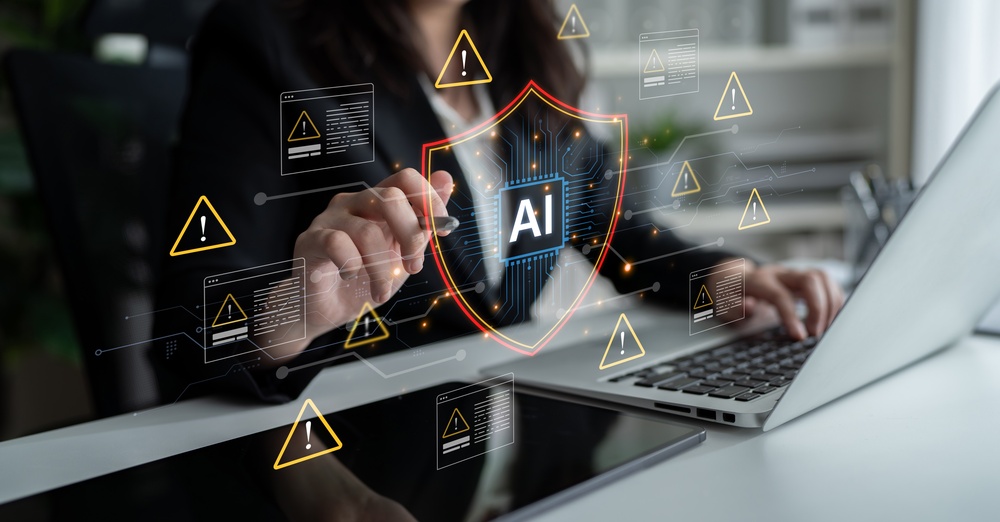
We know that you have been asking and waiting for a while now, so starting in late August, IT Masters…
Read More